Case ID: 314
Publication date: 12 May, 2026
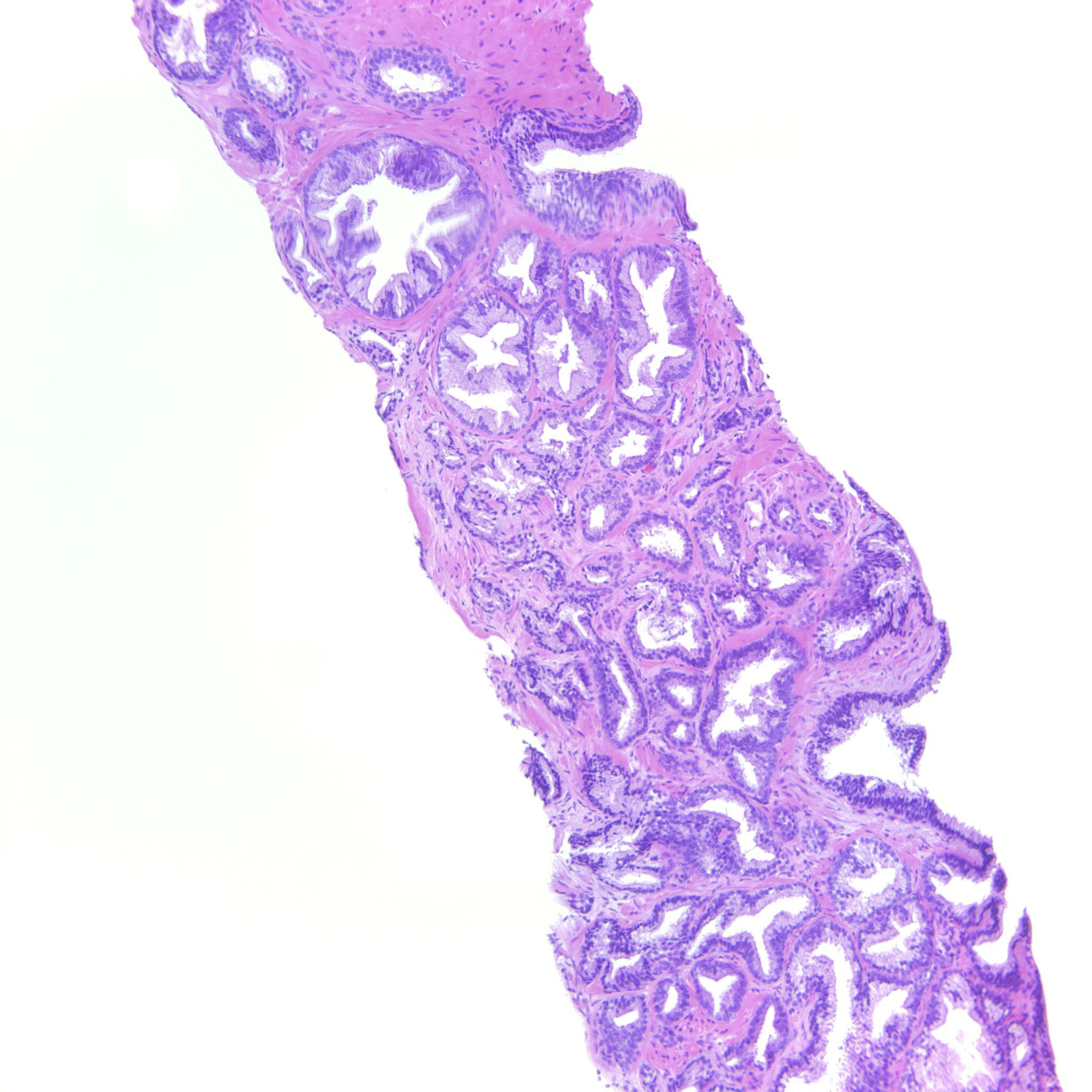
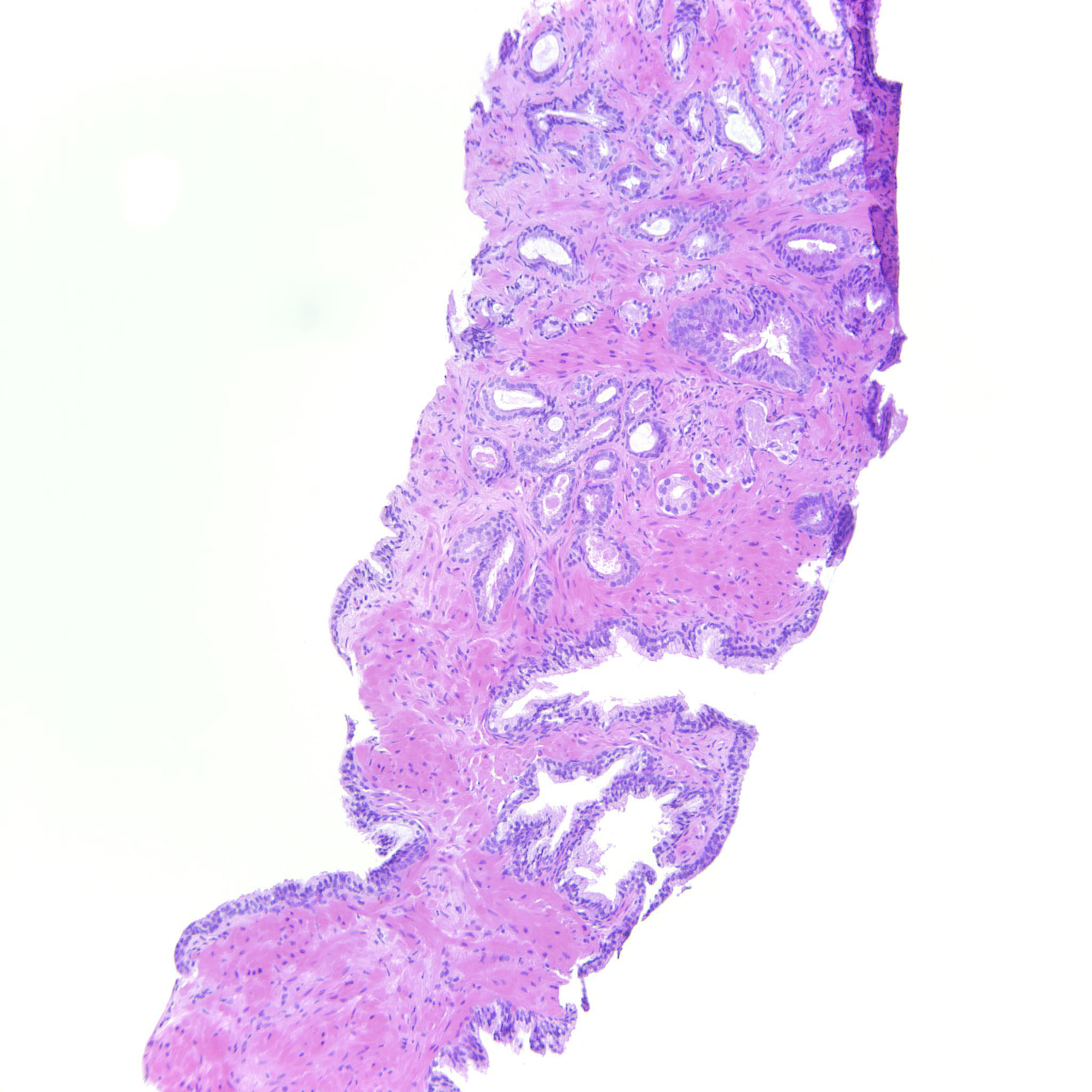
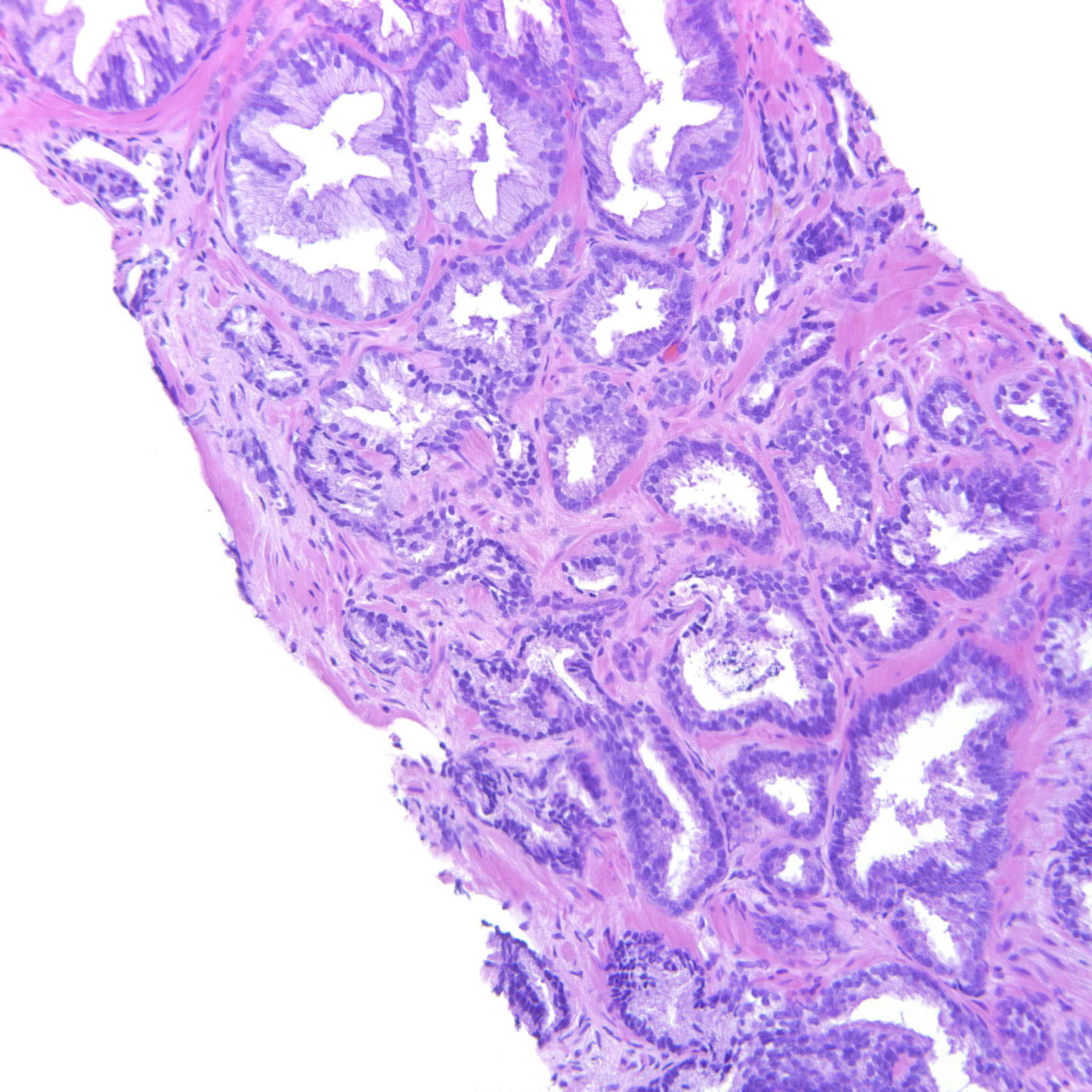
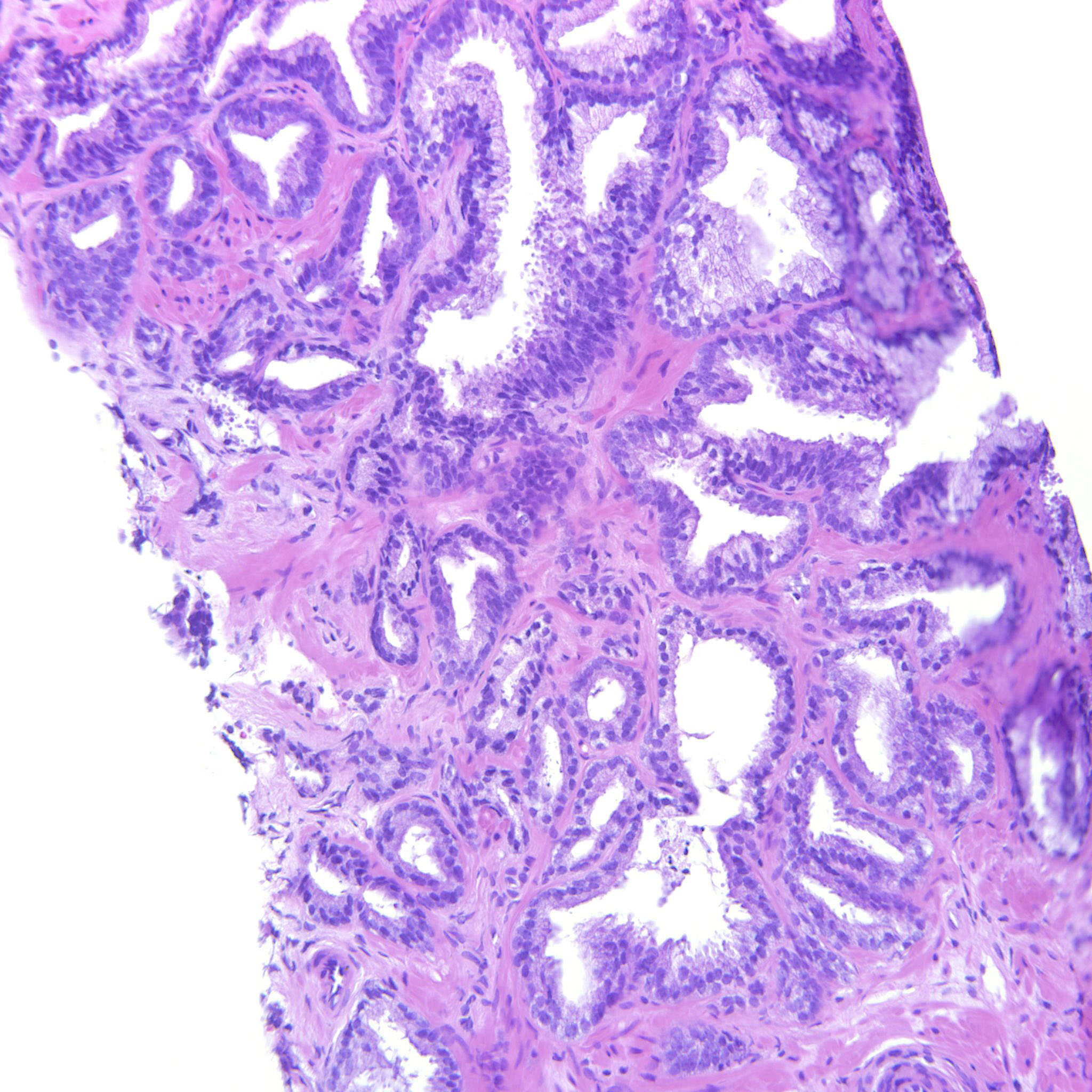
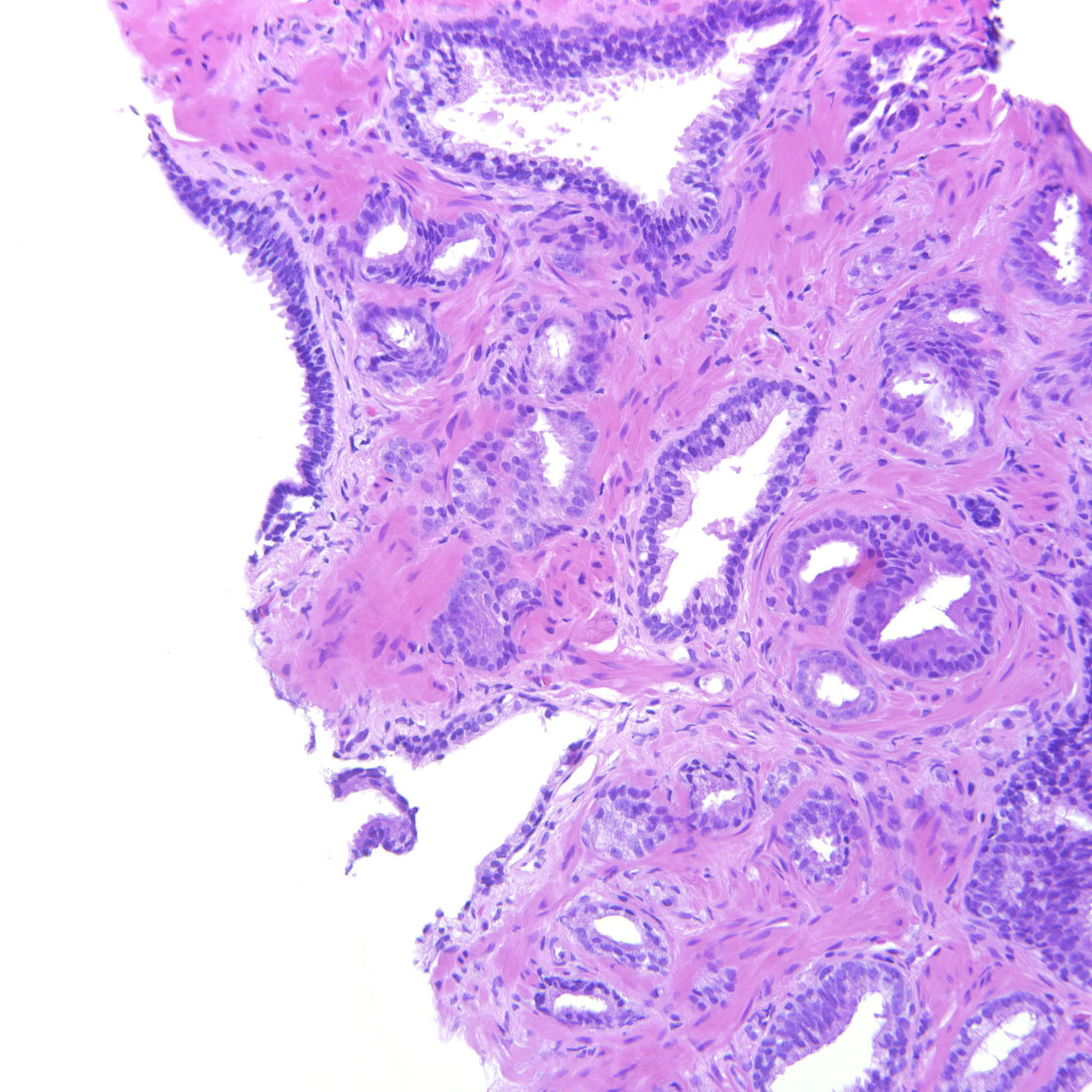
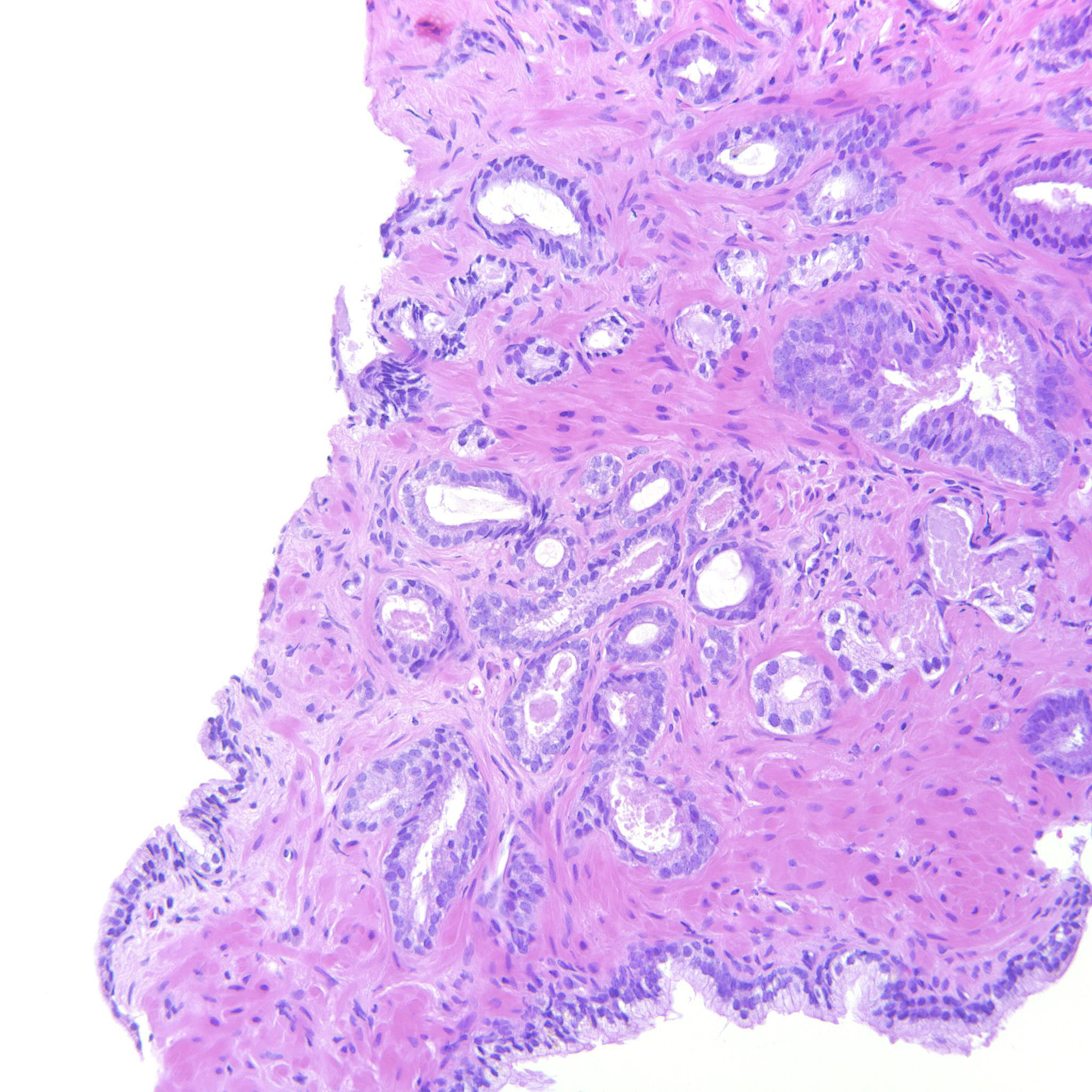
Consensus grade: GS 3+3=6 (ISUP 1)
Show diagnosis by expert panel members| User | Diagnosis | Difficulty | Comment |
|---|---|---|---|
| Pathologist 1 | GS 3+3=6 (ISUP 1) | Typical | |
| Pathologist 2 | GS 3+3=6 (ISUP 1) | Typical | |
| Pathologist 3 | GS 3+3=6 (ISUP 1) | Typical | |
| Pathologist 4 | GS 3+3=6 (ISUP 1) | Typical |
there are some confluent aspects, but 6 is better in my opinion |
| Pathologist 5 | GS 3+3=6 (ISUP 1) | Typical | |
| Pathologist 6 | GS 3+3=6 (ISUP 1) | Typical | |
| Pathologist 7 | GS 3+3=6 (ISUP 1) | Borderline lower | |
| Pathologist 8 | GS 3+3=6 (ISUP 1) | Borderline higher |
Some PIN-like areas |
| Pathologist 9 | GS 3+3=6 (ISUP 1) | Typical | |
| Pathologist 10 | GS 3+3=6 (ISUP 1) | Typical | |
| Pathologist 11 | GS 3+3=6 (ISUP 1) | Typical | |
| Pathologist 12 | GS 3+3=6 (ISUP 1) | Typical | |
| Pathologist 13 | GS 3+3=6 (ISUP 1) | Typical | |
| Pathologist 14 | GS 3+3=6 (ISUP 1) | Typical | |
| Pathologist 15 | GS 3+3=6 (ISUP 1) | Typical | |
| Pathologist 16 | GS 3+3=6 (ISUP 1) | Typical |
All well formed separate glands, some pseudohyperplastic |
| Pathologist 17 | GS 3+3=6 (ISUP 1) | Typical | |
| Pathologist 18 | GS 3+3=6 (ISUP 1) | Typical | |
| Pathologist 19 | GS 3+3=6 (ISUP 1) | Typical |
Some pseudohyperplastic areas. Don't think there is enough glandular fusion for pattern 4. Also a few tangentially sectioned glands. |
| Pathologist 20 | GS 3+3=6 (ISUP 1) | Typical | |
| Pathologist 21 | GS 3+3=6 (ISUP 1) | Borderline higher | |
| Pathologist 22 | GS 3+3=6 (ISUP 1) | Typical | |
| Pathologist 23 | GS 3+3=6 (ISUP 1) | Typical | |
| Pathologist 24 | GS 3+3=6 (ISUP 1) | Typical |
Case description (by case creator):
Typical 336 with only a few glands that may be thought to be somewhat poorly formed. Not enough for GP4.